
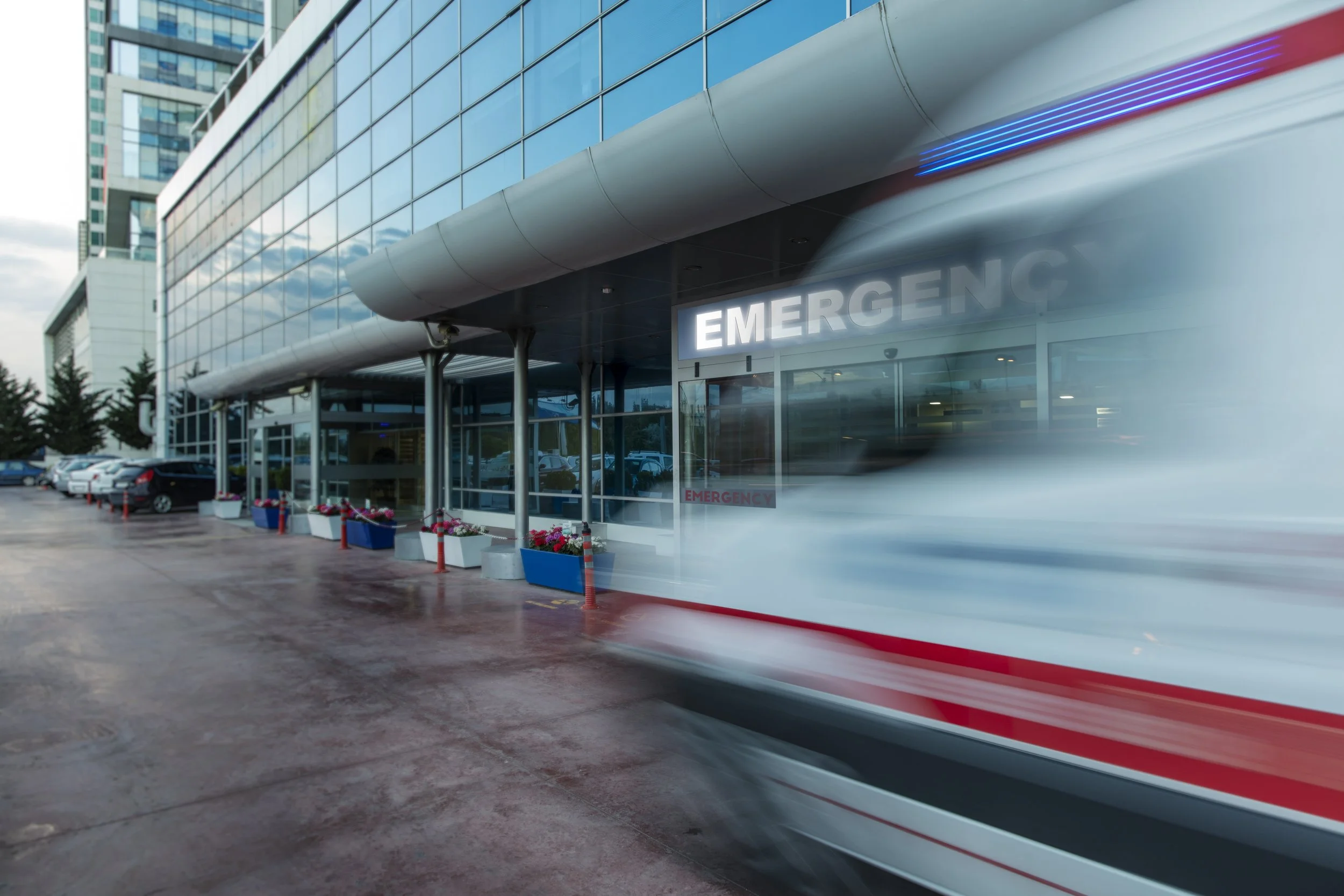
Fire Safety In Hospitals
We support you in achieving effective fire safety across your healthcare estate in accordance with HTM-05 standards. We help you prioritise the continuity of care by anticipating and managing fire safety and operational challenges and find suitable and sufficient solutions for refurbishments, extensions and new sites.
Prioritising Continuity of Care in Complex Hospital Infrastructure

We recognise how crucial it is for hospitals to remain fully functional. That’s why we always prioritise solutions that ensure continuity of care. It’s essential for us to understand and address operational challenges and limitations within a complex, always “on” hospital environment. Guided by HTM-05, we assist Fire Safety Officers and Estate Management teams in anticipating and resolving these challenges while avoiding downtime in hospital operations.
COMPLEX INFRASTRUCTURE
Hospitals usually have convoluted infrastructure with multisite buildings, quite often extended over time, and sometimes owned by different entities – NHS and PFI funds. While the buildings and ownership can be separate, for effective fire safety, it is important to have holistic view of fire safety measures, systems and policies across all sites.
ACCOMMODATION OF ONGOING MAINTENANCE WORKS
At any given time, there are usually multiple construction and renovation projects taking place throughout a hospital complex. This often presents additional challenges for the fire system. The ongoing works must be carried out without causing any interruption or minimal disturbance, as hospitals operate 24/7, 365 days a year. Contractors can generate significant amounts of dust that may trigger smoke detectors, leading to false alarms. Additionally, maintenance work conducted at night can pose problems for healthcare estate staff, as they may need to be called in after hours to address these issues. We help Fire safety officers anticipate and manage these challenges while ensuring fire safety remains uncompromised.
REPLACEMENTS OF AGEING SYSTEMS WITH NO INTERRUPTION TO CARE
As hospitals age, so do their fire safety systems. When the replacement is due, it is particularly difficult to execute while maintaining continuous operation of the wards and patient care. Planning parallel running of old and new systems, carefully considering when to carry out the work and collaborating with the multiple internal stakeholders, including nursing staff, is essential to implementing necessary changes while prioritising the continuity of care.
A LARGE NUMBER OF VULNERABLE OCCUPANTS AND DAY-TIME VISITOR FOOTFALL
When planning fire safety measures and evacuation procedures, we always consider how the building is used, who are the occupants and how to meet their needs and design safety around them. With a high degree of vulnerable occupants and a high footfall of patients and visitors who have little awareness of hospital infrastructure, it is crucial to implement fire safety measures with the least possible amount of disruption to operations in case of fire and optimal evacuation plan that prioritises care continuity.
Managing Fire Risks in Complex Environments
Acute healthcare premises carry a high fire load and have various fire risks that need to be taken into account when implementing and managing fire safety measures. A functioning hospital is also vulnerable to challenges in fire system performance imposed by the environment and occupancy of the building, such as false alarms, which can result in Unwanted Fire Signals if the Fire Brigade is called to respond (as defined by HTM-05).
Fire Risks:
⚠️ Electrical Malfunctions: Short circuits, electric overloads, overheating of wiring
⚠️ Medical Devices: Malfunctioning of defibrillators, surgical tools, etc.
⚠️ Oxygen-Rich Environments: Hospitals frequently use oxygen to assist patients with breathing.
⚠️ HVAC Systems: Heating, ventilation, and air conditioning (HVAC) systems can harbor dust, lint, or debris that may ignite.
⚠️ Emergency Generators
⚠️ Flammable Materials Storage: e.g., cleaning agents, alcohol-based hand sanitisers, disinfecting spray.
⚠️ Kitchen Areas: cooking equipment and grease buildup.
⚠️ Waste Disposal: Accumulated waste materials can become fire hazards.
⚠️ Blocked fire escape routes
⚠️ Smoking / Vaping: as a source of ignition.
⚠️ Type of occupants: lack of awareness to fire safety.
With so many fire risks, it is crucial to have effective fire stopping measures in place, including selection, design and maintenance of fire compartmentation.
False alarms in acute healthcare premises can have multiple causes:
⚠️ Environmental: Cooking, smoking, insect ingress, other.
⚠️ System/design fault: when the system is not performing correctly or is not designed to appropriately handle the hospital environment.
⚠️ Malicious or accidental activations
When working with Healthcare Estates Teams and Fire officers to help anticipate and manage fire risks and address false alarming, as well as in specifying and designing a system that will ensure satisfactory performance in a hospital environment, we are always guided by HTM-05 in addition to existing fire safety legislation:
Useful links:
Health Technical Memorandum 05-01: Managing healthcare fire safety – 24 April 2013: Guidance
Taking A Holistic Approach To Managing Fire Safety
According to RRFSO, a responsible person has a duty to manage fire risks and keep them as low as reasonably practicable. Navigating the most effective way of reducing risk can present challenges. That’s why we always take a holistic approach to reducing fire risks that aims to provide the necessary protection, compliance and safety for patients and staff.
OUR APPROACH:
Review policies and procedures for Fire Safety and Health and Safety, including HTM-05 guidance and UnFS records.
Understand your Healthcare estate infrastructure and fire safety management arrangements
Determine and review areas of risk (where our assistance is required)
Recommend solutions that satisfy performance requirements and ensure minimal to none operational disruption
Collaborate with your contractor
Clear technical specification of the works to be carried out
Assistance with competence assurance (if required)
Support implementation
Technical query support
Alignment of contractors and other stakeholders to deliver to a required specification
Assure quality and compliance to ensure the work has been delivered to the required standard and specification.
Provide feedback and recommendations for continuous improvement


Working With Us
Passionate about making the world a safer place
Service tailored to your needs
Clear, actionable advice
Collaboration, care and support at every step
“We value the power of collaboration, build our relationships on trust and absolute respect, and take pride in the quality of the work we deliver.”
New Terra Compliance Director of Fire Safety, Dan Jackson
Our Accreditations




Featured Projects
Helping to make the world a safer place
• 690+ Audits
• 231+ Premises
• 14+ Clients
We Are Here To Help
Secure your fire & electrical compliance with our expert team. Contact New Terra for tailored solutions and peace of mind.