
BESS Planning Applications – Battery Safety Management Plans (BSMP) and Fire Strategy Support
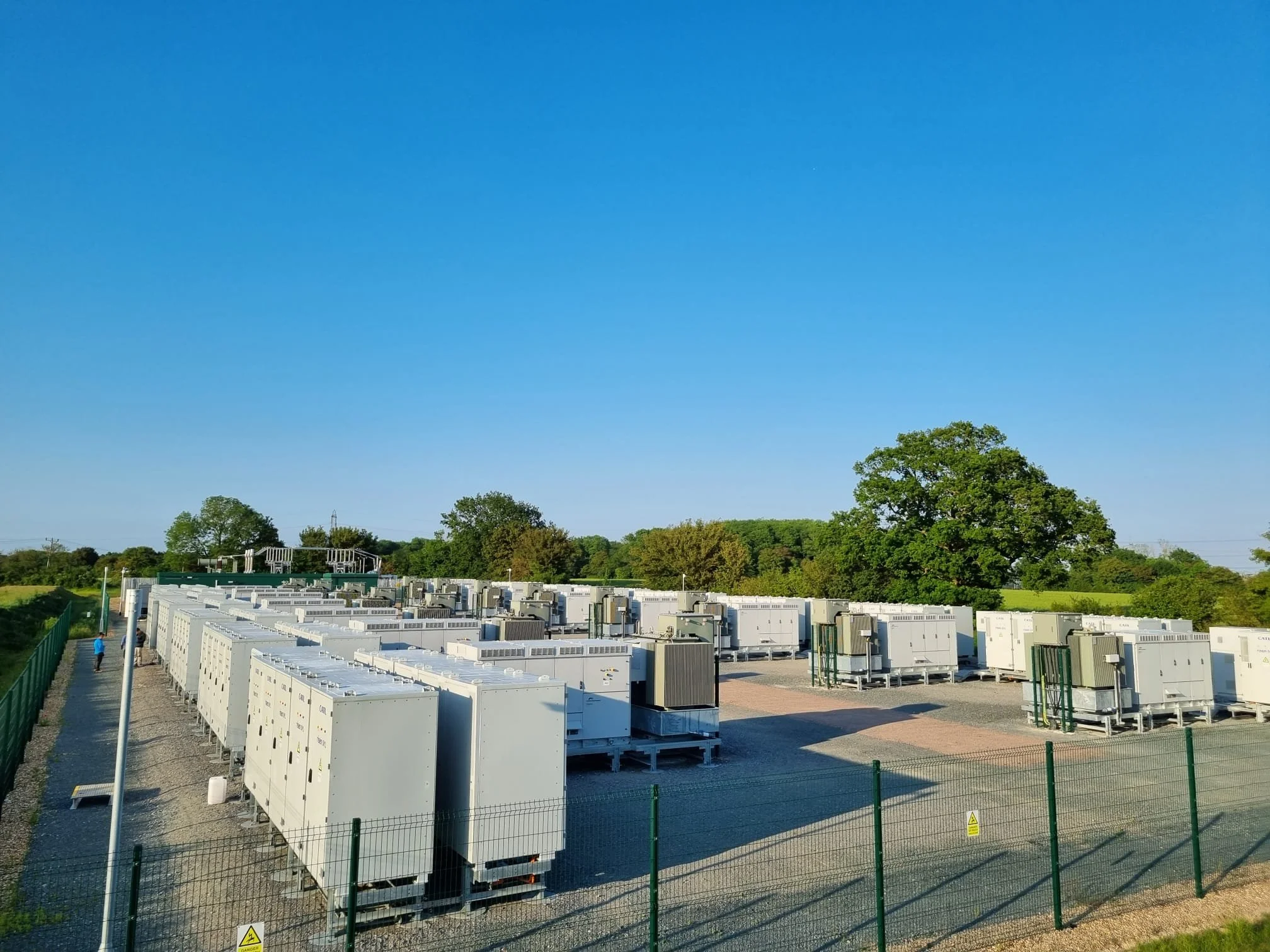
Project Overview
New Terra Compliance was appointed to support Regener8 Power’s 2025 development pipeline by preparing five Battery Safety Management Plans (BSMPs) and associated planning-stage fire strategies for grid-scale Battery Energy Storage System (BESS) developments.
BESS projects present a uniquely challenging fire safety environment. They combine high-energy electrical systems, evolving technology, environmental risk, and public scrutiny, while operating within a regulatory landscape where UK-specific prescriptive guidance remains limited. At planning stage, there is a requirement to demonstrate that fire risk has been robustly considered, without constraining future detailed design.
Our role was to provide clear, proportionate, and defensible fire safety information to support planning applications, inform stakeholders, and establish a robust framework for progression into detailed design.
Scope of Services
New Terra Compliance provided fire safety consultancy services throughout the planning phase, including:
Preparation of five Battery Safety Management Plans for planning submission
Development of outline fire strategies for grid-scale BESS sites
Fire safety input to overall site layout and spatial planning
Advice on secondary access and firefighting facilities
Review of water supplies for firefighting operations
Assessment of BESS container spacing, separation distances, and layout
High-level risk assessment of construction and operational fire hazards
Identification of pre-construction fire safety requirements
Engagement with the local Fire and Rescue Service at planning stage
Support to the project team with stakeholder and public consultation information
Fire Safety Design Considerations
The BSMPs and planning-stage fire strategies addressed a range of BESS-specific fire safety topics, including:
Battery Energy Storage Systems
Ventilation strategies and considerations related to thermal runaway
Fire separation between BESS containers and adjacent infrastructure
Outline fire suppression approaches, including sprinkler and aerosol systems
Fire detection and alarm principles, including system zoning and interfaces
Battery Management Systems (BMS) and fault monitoring arrangements
Firefighting and Emergency Response
Fire service access routes and appliance positioning
Tactical firefighting considerations specific to lithium-ion battery installations
Space allocation for exclusion zones and operational response
Environmental Protection
Identification of fire water contamination risks
Provision of information to inform drainage and environmental consultants
Consideration of runoff, containment, and pollution control at outline stage
Smoke and Fire Spread
High-level smoke plume considerations to inform site layout and separation
Materials and design approaches to reduce fire spread across the site, including:
Vegetation management
Surface treatments
Boundary fencing and security provisions
Smoke plume analysis was undertaken at a high level only, appropriate to planning stage, to inform layout and risk awareness rather than detailed system design.
Standards and Guidance Considered
The BSMPs and fire strategies were informed by relevant UK and international guidance typically applied to BESS developments, including:
NFPA 855 – Standard for the Installation of Stationary Energy Storage Systems, informing site layout, separation distances, and high-level fire safety principles
National Fire Chiefs Council (NFCC) – Grid Scale Battery Energy Storage System planning – Guidance for FRS, informing Fire and Rescue Service engagement, firefighting access, tactical considerations, and emergency response requirements
Approved Document B – Guidance on fire service access and facilities for firefighting operations
BS 5839-1 – Fire detection and fire alarm systems for buildings, informing outline detection and alarm strategy principles
These documents were applied proportionately and pragmatically, recognising the outline nature of the planning submissions and the need for flexibility at detailed design stage.
Key Challenges
Complex and evolving fire risk profile associated with large-scale lithium-ion battery installations
Limited prescriptive UK guidance for grid-scale BESS developments
Coordination across multidisciplinary design teams and external stakeholders
Balancing planning-stage certainty with future detailed design requirements
Our Approach
We adopted a risk-based and proportionate fire engineering approach, focused on providing sufficient clarity and assurance at planning stage without constraining future system selection or detailed engineering.
The BSMPs were structured to be clear, accessible, and defensible, supporting engagement with planning authorities, consultees, and the Fire and Rescue Service, while establishing a robust foundation for subsequent detailed fire engineering.
Outcome
The project delivered robust outline Battery Safety Management Plans and planning-stage fire strategies, providing comprehensive fire safety information to support planning applications.
The work established a clear fire safety framework that enables the developments to progress confidently into detailed design, with fire risk, emergency response, and environmental protection considerations embedded from the outset.
Specialist fire safety consultancy for BESS planning applications and grid-scale energy storage developments.